Facts
-
HeLa cells – the legacy of Henrietta Lacks

Science Days: 30th of August The discovery of HeLa cells marked a pivotal moment in medical science. This event revolutionized research and treatment. It continues to shape healthcare today. The cells themselves were not identified in 1871. Their correct discovery timeline is 1951. Their origin story begins with Henrietta Lacks, an African American woman. Her…
-
The power of the inverse

-
Must see: Perseids meteor shower peak

Science Days: 12th–13th of August The Perseids meteor shower is one of the most anticipated celestial events of the year. It reaches its peak on the nights of 12th–13th of August. This annual spectacle is renowned for its high frequency of bright meteors. It features long-lasting streaks. Stargazers worldwide are drawn to this event for…
-
Hiroshima, a day that changed the World

Science Days: 6th of August On the 6th of August, 1945, the world entered a new and sobering chapter of history. At 8:15 AM local time, the U.S. bomber Enola Gay dropped an atomic bomb, code-named Little Boy, over the Japanese city of Hiroshima. The explosion, which unleashed the unprecedented power of nuclear fission, devastated…
-
Delta Aquarids meteor shower peak
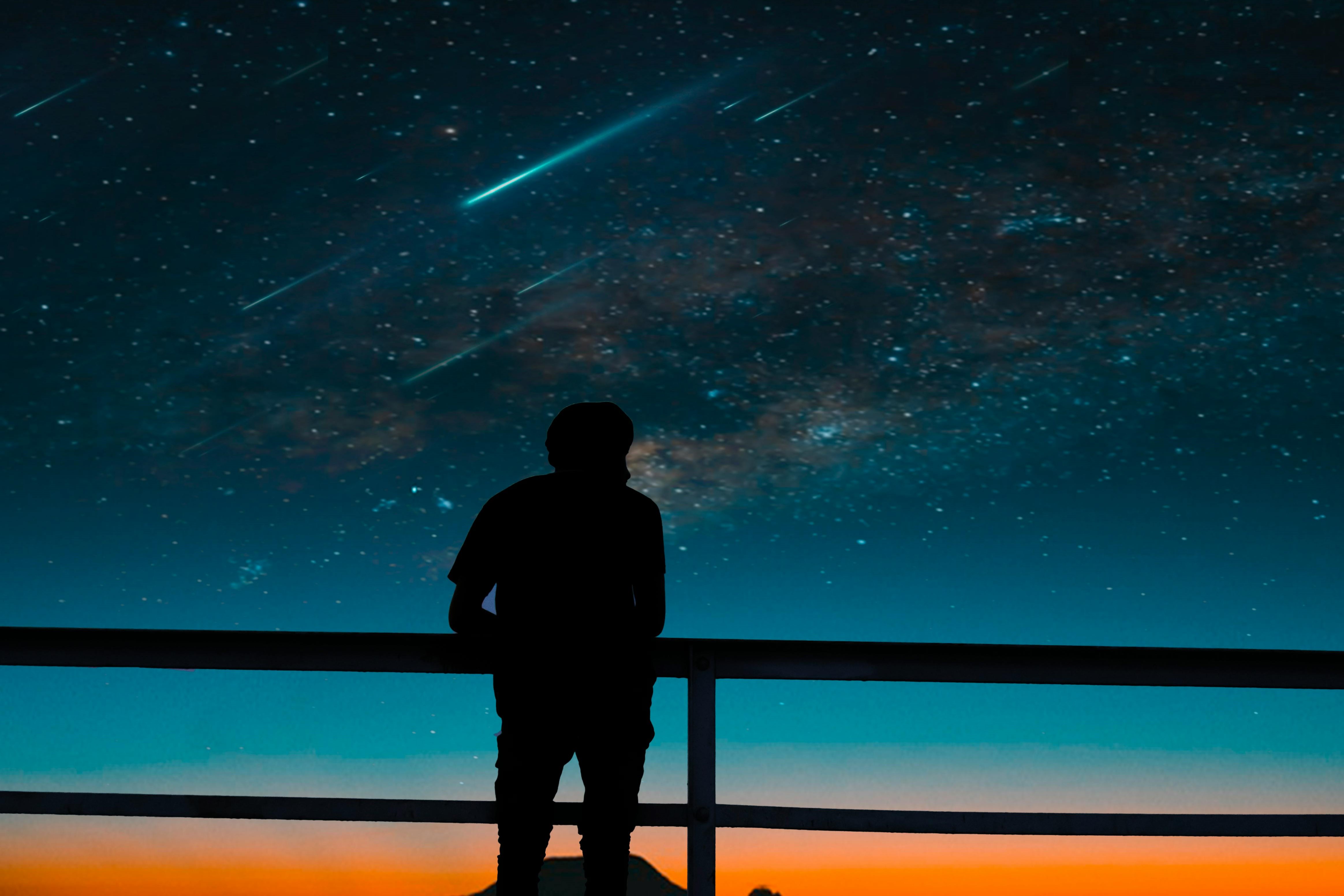
Science Days: 30th of July Every year, during the warm nights of late July, skywatchers witness the Delta Aquarids meteor shower. This celestial event enchants stargazers with streaks of light darting across the sky. The meteor shower peaks on the nights of the 30th of July. It offers an opportunity to reconnect with the natural…
-
The Moon landing: a giant leap for mankind
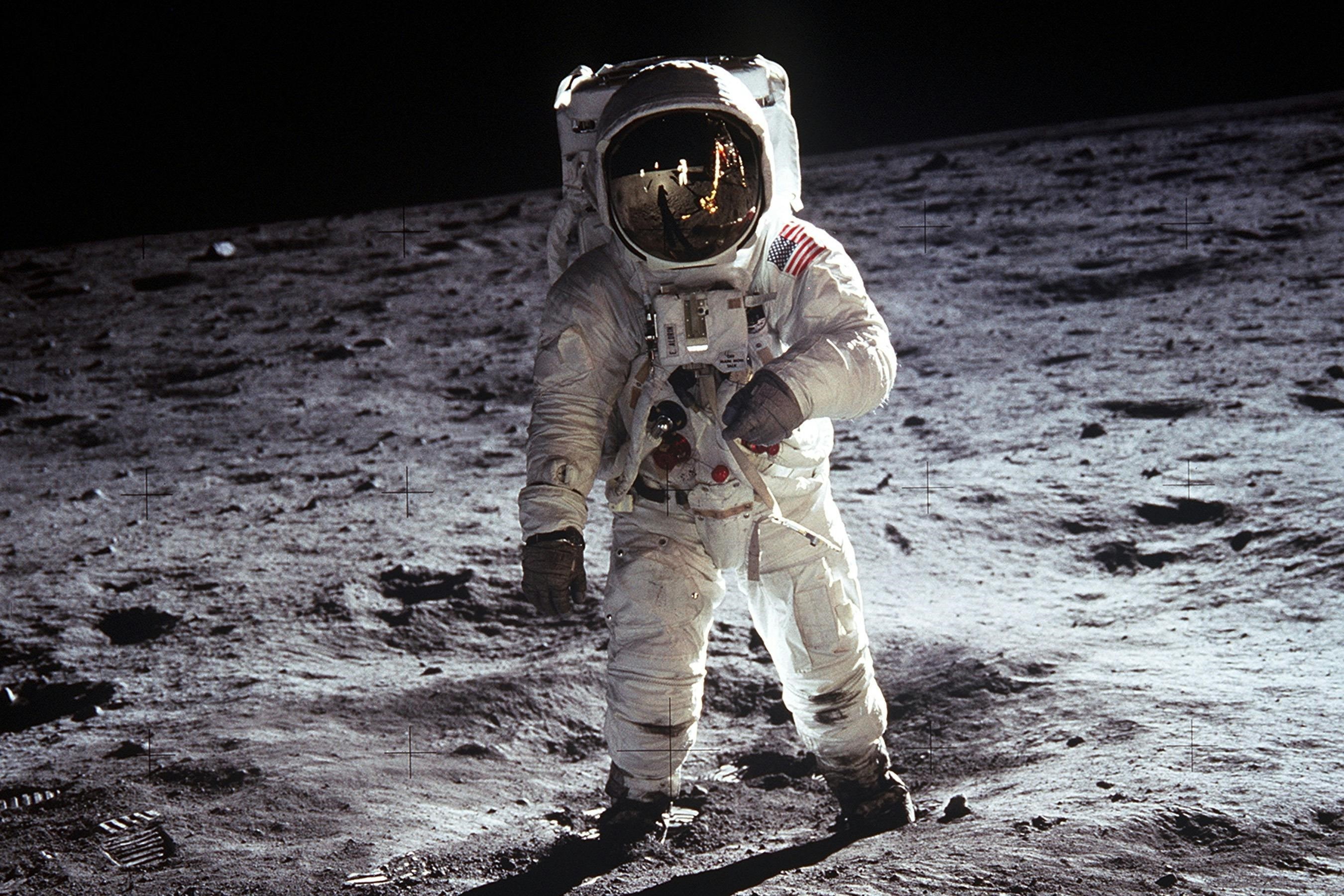
Science Days: 20th of July On July 20, 1969, humanity achieved one of its greatest milestones. Millions watched in awe as astronaut Neil Armstrong descended the ladder of the Apollo 11 lunar module and set foot on the Moon, uttering the iconic words: “That’s one small step for [a] man, one giant leap for mankind.” This…
-
Discovery of the Higgs boson

Science Days: 4th of July On July 4, 2012, physicists at CERN (the European Organisation for Nuclear Research) made an announcement. This electrified the scientific community. They discovered a new particle consistent with the Higgs boson. This breakthrough marked the culmination of decades of research. It confirmed a key component of the Standard Model of…
-
June solstice: celebrating the longest day
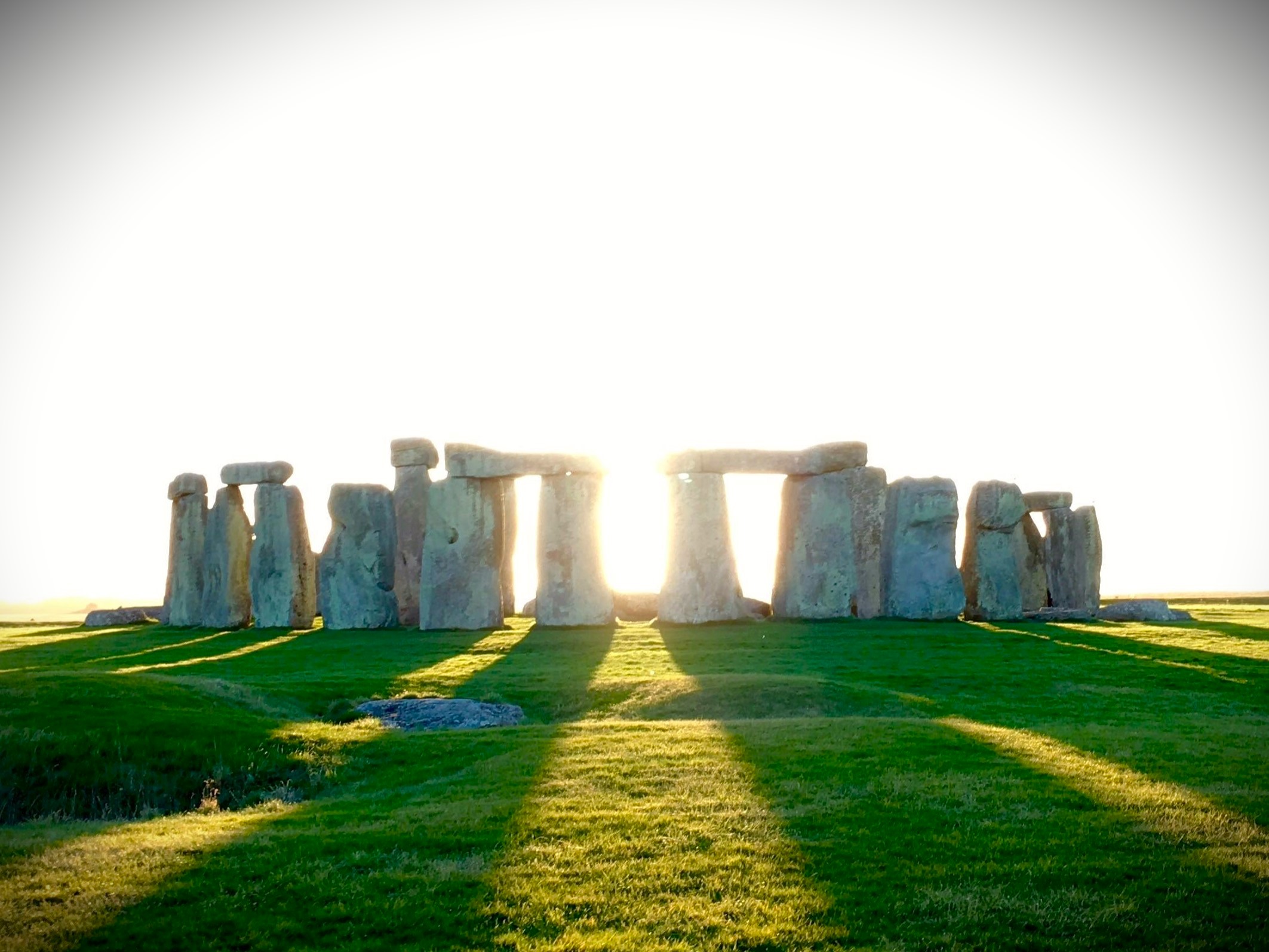
Science Days: 21st of June The June Solstice occurs on the 21st of June (or occasionally June 20). It marks a pivotal moment in Earth’s annual journey around the Sun. For the Northern Hemisphere, it is the longest day of the year, signalling the start of summer. In the Southern Hemisphere, it is the shortest…
-
World oceans day: why oceans matter

Science Days: 8th of June The 8th of June is a day dedicated to raising awareness about the vital role oceans play in human lives. The United Nations established this day back in 2008. It encourages individuals, communities, and governments to take action and protect oceans. The goal is to preserve marine ecosystems for future…
-
Linear Algebra

Welcome to a new set of blog posts that will explore Linear algebra. At its core, linear algebra is a branch of mathematics that deals with: Vectors: These are quantities that have both a magnitude and a direction, like arrows. Vector Spaces: These are sets of vectors that follow certain rules. You can add vectors…