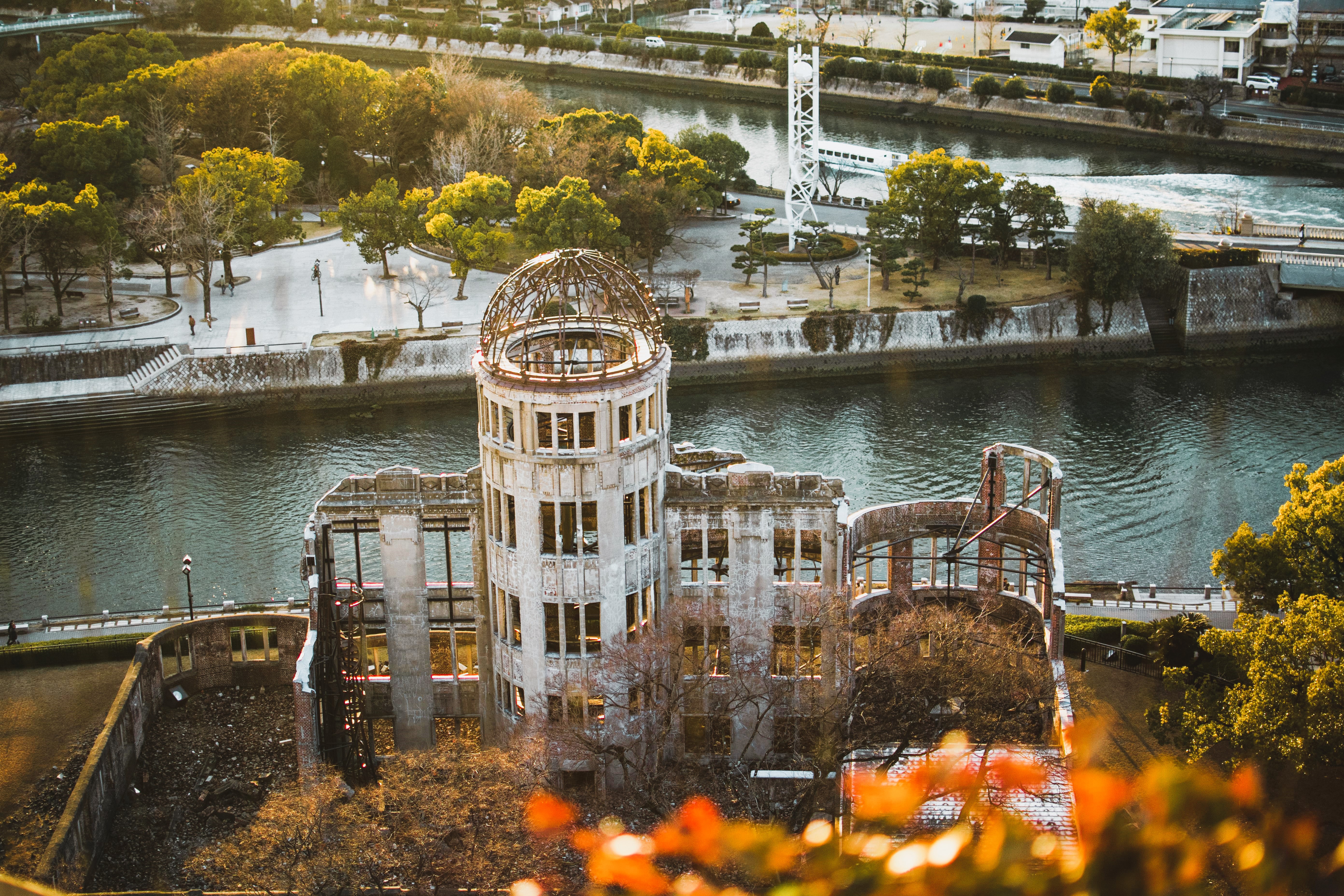
Science Days: 6th of August
On the 6th of August, 1945, the world entered a new and sobering chapter of history. At 8:15 AM local time, the U.S. bomber Enola Gay dropped an atomic bomb, code-named Little Boy, over the Japanese city of Hiroshima. The explosion, which unleashed the unprecedented power of nuclear fission, devastated the city. It killed tens of thousands of people and marked the first use of atomic weaponry in warfare.
The wider context
The atomic bombing of Hiroshima occurred during the final stages of World War II. After years of fierce fighting in the Pacific Theater, Japan showed no signs of surrendering. This was true even as Allied forces closed in.
The Manhattan Project, a secret U.S. research initiative, had developed atomic weapons as a potential means to end the war quickly and decisively. President Harry S. Truman authorized their use, believing it would save lives by avoiding a prolonged ground invasion of Japan.
The Bombing of Hiroshima
The Enola Gay was a B-29 Superfortress. It carried Little Boy. This was a uranium-based bomb with an explosive yield equivalent to 15,000 tons of TNT. The bomb detonated approximately 600 meters (1,968 feet) above the city center. It created a massive fireball that obliterated everything within a one-mile radius.
- Immediate impact: The blast flattened over 13 square kilometers (5 square miles) of Hiroshima. An estimated 70,000–80,000 people were killed instantly. And tens of thousands more succumbed to injuries and radiation exposure in the following weeks.
- The mushroom cloud: The explosion generated a towering mushroom cloud, a grim symbol of the destructive potential of nuclear weapons.
- Human toll: Survivors, known as hibakusha, suffered severe burns, radiation sickness, and long-term health effects, including cancer and genetic damage.
Global repercussions
The atomic bombing of Hiroshima happened first. Then, a subsequent bombing of Nagasaki occurred on the 9th of August. These bombings led to Japan’s surrender on the 15th of August. This effectively ended World War II. However, the bombings also sparked a global reckoning with the implications of nuclear weapons.
- The dawn of the nuclear age: The use of atomic bombs introduced the world to a new era of warfare. This era had the potential for destruction that reached an unimaginable scale.
- Moral and ethical questions: The bombings remain a subject of intense debate. Critics argue that Japan was already on the brink of surrender and that targeting civilian populations was unjustifiable. Others contend that the bombings were necessary. They claimed it would bring a swift end to the war and prevent further loss of life.
- The arms race: The events of August 1945 fueled a Cold War-era arms race. Nations began striving to develop nuclear weapons. They also aimed to stockpile these weapons.
Remembering Hiroshima
Hiroshima has since become a global symbol of peace and resilience. The Hiroshima Peace Memorial Park is located at the bombing’s epicenter. It honors the victims. The park serves as a reminder of the horrors of war. Each year on the 6th of August, the city holds a Peace Memorial Ceremony. The event calls for the abolition of nuclear weapons. It advocates for the pursuit of lasting peace.
A call for reflection
The atomic bombing of Hiroshima stands as a stark reminder of humanity’s capacity for both innovation and destruction. Remember the 6th of August, 1945. Honor the lives lost. Reaffirm your commitment to ensure that such a tragedy is never repeated.
The legacy of Hiroshima challenges each individual to reflect on the moral responsibility that comes with scientific advancement. It encourages striving for a world where peace prevails over conflict.