Science Days: 21st of June
The June Solstice occurs on the 21st of June (or occasionally June 20). It marks a pivotal moment in Earth’s annual journey around the Sun. For the Northern Hemisphere, it is the longest day of the year, signalling the start of summer. In the Southern Hemisphere, it is the shortest day of the year, signalling the arrival of winter.
So, what is it about?
The solstice occurs due to the tilt of Earth’s axis, which is inclined at 23.5 degrees relative to its orbit around the Sun. On this day:
- The North Pole is tilted closest to the Sun. This results in the longest day and shortest night in the Northern Hemisphere.
- The South Pole is tilted furthest from the Sun, causing the shortest day and longest night in the Southern Hemisphere.
At the solstice, the Sun appears directly overhead at the Tropic of Cancer (latitude 23.5°N).
Key facts to take with you
Changing day lengths
In the Northern Hemisphere, locations closer to the poles experience more extreme differences in daylight. Some areas enjoy 24 hours of daylight. This phenomenon is known as the Midnight Sun. In the Southern Hemisphere, regions closer to the poles face the opposite, with polar night occurring in some areas.
Not always on June 21
The solstice can occasionally occur on June 20. It may also happen on June 22. This variation depends on the Earth’s orbit and time zone differences.
Cultural significance
The solstice has been celebrated for millennia in cultures worldwide. It often symbolizes renewal. For many cultures, it represents fertility and the triumph of light over darkness.
Celebrations around the world
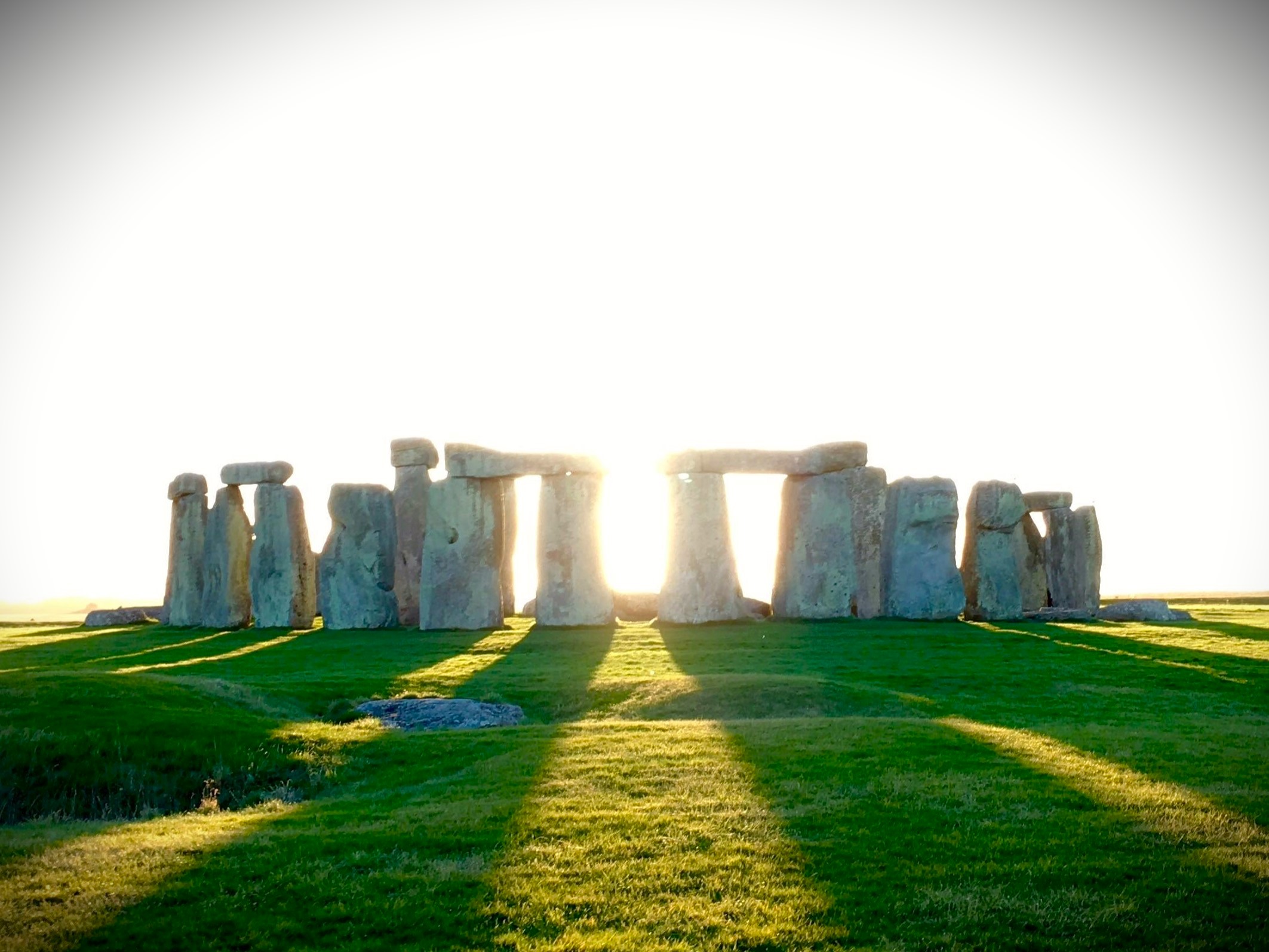
Stonehenge, England
Thousands gather at Stonehenge to watch the Sun align with the ancient stones, celebrating a connection to celestial cycles.
Midsummer Festivals, Scandinavia
Countries like Sweden and Finland hold Midsummer celebrations, with dancing, bonfires, and traditional food marking the occasion.
Inti Raymi, Peru
The Festival of the Sun is a tradition of the Inca civilization. It honors Inti, the sun god. There are colorful ceremonies and rituals in Cusco.
Kupala night, Eastern Europe
This Slavic festival blends ancient traditions with modern revelry, including bonfires, flower wreaths, and water games.
Scientific and astronomical details
Solar path
On the solstice, the Sun takes its highest and longest path across the sky in the Northern Hemisphere. It takes its lowest and shortest path in the Southern Hemisphere.
Earth’s tilt and seasons
Earth’s axial tilt causes the solstices and equinoxes. This is why seasons are opposite in the two hemispheres.
A time to observe
The solstice provides a great opportunity for stargazing. Summer constellations are visible in the Northern Hemisphere. Winter constellations can be seen in the Southern Hemisphere.
You want to celebrate the June solstice?
Watch the sunrise or sunset
Take time to observe the beauty of the longest or shortest day of the year.
Connect with nature
Go for a hike, have a picnic, or enjoy a day outdoors to honour the changing season.
Learn about cultural traditions
Explore how ancient and modern societies celebrate the solstice and their connection to the Sun. Links above are a good place to start.
Host a bonfire or gathering
Embrace the spirit of the day by bringing friends and family together to share stories, music, and food.
Reflect and set intentions
The solstice is a time of renewal and reflection. It offers an opportunity to set goals for the second half of the year.
Additional facts about the solstice
- “Solstice” comes from the Latin words sol (sun) and sistere (to stand still), describing the Sun’s apparent pause in movement.
- The June solstice occurs at the same time globally, though the local time varies depending on your time zone.
- In Fairbanks, Alaska, the Sun shines for over 22 hours on the June Solstice.
- At the Arctic Circle, the Sun doesn’t set at all, creating the phenomenon of the Midnight Sun.
The solstice’s universal message
The June solstice is more than an astronomical event. It’s a reminder of Earth’s continuous dance with the Sun and the interconnection of all life on the planet.
This June 21, let the solstice inspire you to celebrate light, life, and the beauty of nature.