Science Days: 20th of July
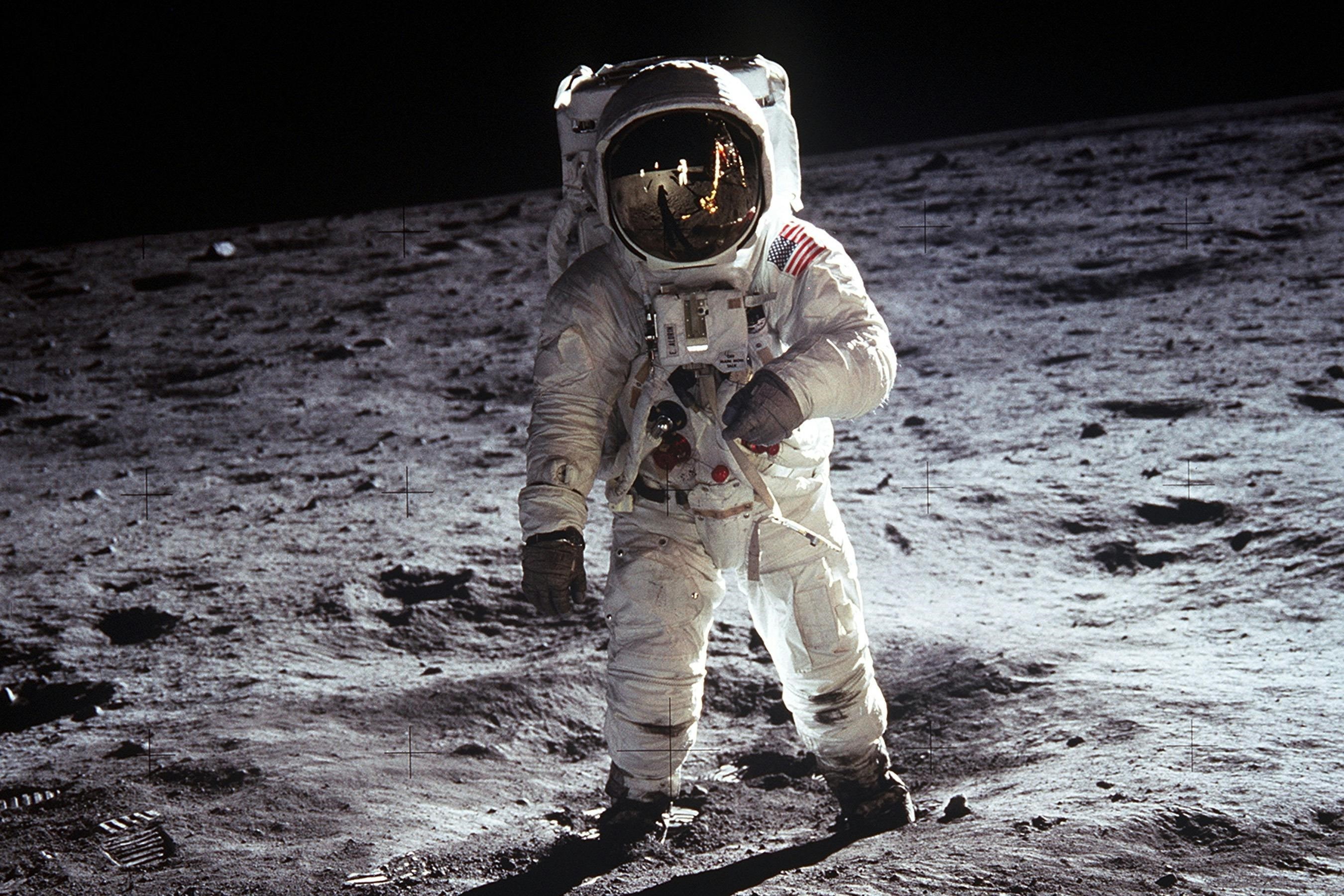
On July 20, 1969, humanity achieved one of its greatest milestones. Millions watched in awe as astronaut Neil Armstrong descended the ladder of the Apollo 11 lunar module and set foot on the Moon, uttering the iconic words:
“That’s one small step for [a] man, one giant leap for mankind.”
This historic moment marked the culmination of years of innovation, determination, and exploration. It forever changed the perspective on what is possible.
The race to the Moon
The Moon landing was the crowning achievement of the Space Race. This was a Cold War-era competition between the United States and the Soviet Union. After the Soviets launched Sputnik in 1957 and sent the first human, Yuri Gagarin, into space in 1961, the U.S. responded with President John F. Kennedy’s bold challenge. His challenge aimed to land a man on the Moon and return him safely to Earth. He set the deadline of achieving this before the end of the decade.
NASA’s Apollo program became the vehicle for this ambitious goal, overcoming immense technical and logistical challenges. The mission required advancements in rocketry, navigation, and life support systems, as well as unprecedented international cooperation.
The Apollo 11 mission
Apollo 11 launched from Kennedy Space Center on 16th of July, 1969. It was atop a Saturn V rocket. This was the most powerful rocket ever built. The crew consisted of three astronauts:
- Neil Armstrong: Commander and the first man to walk on the Moon.
- Buzz Aldrin: Lunar Module Pilot and the second man to walk on the Moon.
- Michael Collins: Command Module Pilot who orbited the Moon while Armstrong and Aldrin explored its surface.
After a three-day journey, the spacecraft entered lunar orbit. On the 20th of July, the lunar module, Eagle, detached from the command module, Columbia, and descended to the Moon’s surface. Despite some alarms and a challenging landing site, Armstrong and Aldrin successfully touched down in the Sea of Tranquility.
“We came in peace for all mankind.”
Armstrong stepped onto the Moon at 10:56 PM EDT, followed by Aldrin 19 minutes later. Together, they spent about two and a half hours outside the module, collecting rock samples, taking photographs, and conducting experiments. They also planted the American flag and left a plaque bearing the inscription:
“Here men from the planet Earth first set foot upon the Moon, July 1969 AD. We came in peace for all mankind.”
Michael Collins was often called the “forgotten astronaut.” He orbited the Moon alone in Columbia. This ensured the safe rendezvous for the crew’s return.
The importance of Apollo 11
The success of Apollo 11 was a defining moment in human history. It demonstrated the power of innovation, international cooperation, and the human spirit. The mission inspired generations to dream of space exploration, proving that humanity could achieve what once seemed impossible.
- Scientific Contributions: Apollo 11 returned 21.5 kilograms (47.5 pounds) of lunar rocks and soil, revolutionizing the understanding of the Moon’s history and formation.
- Technological Legacy: Advances in materials, computing, and engineering from the Apollo program continue to influence industries today.
- Cultural Significance: The Moon landing is a symbol of exploration. It is a reminder of what humanity can achieve when united by a common goal.
Looking to the future
As you celebrate the anniversary of the Moon landing, you also look forward to new horizons. NASA’s Artemis program aims to return humans to the Moon. It includes the first woman and the next man. They plan to establish a sustainable presence and pave the way for missions to Mars.
The 20th of July, 1969, is a reminder that exploration knows no bounds. The Moon landing was not just an American triumph.
It was a moment of global unity and wonder.