Science Days: 30th of August
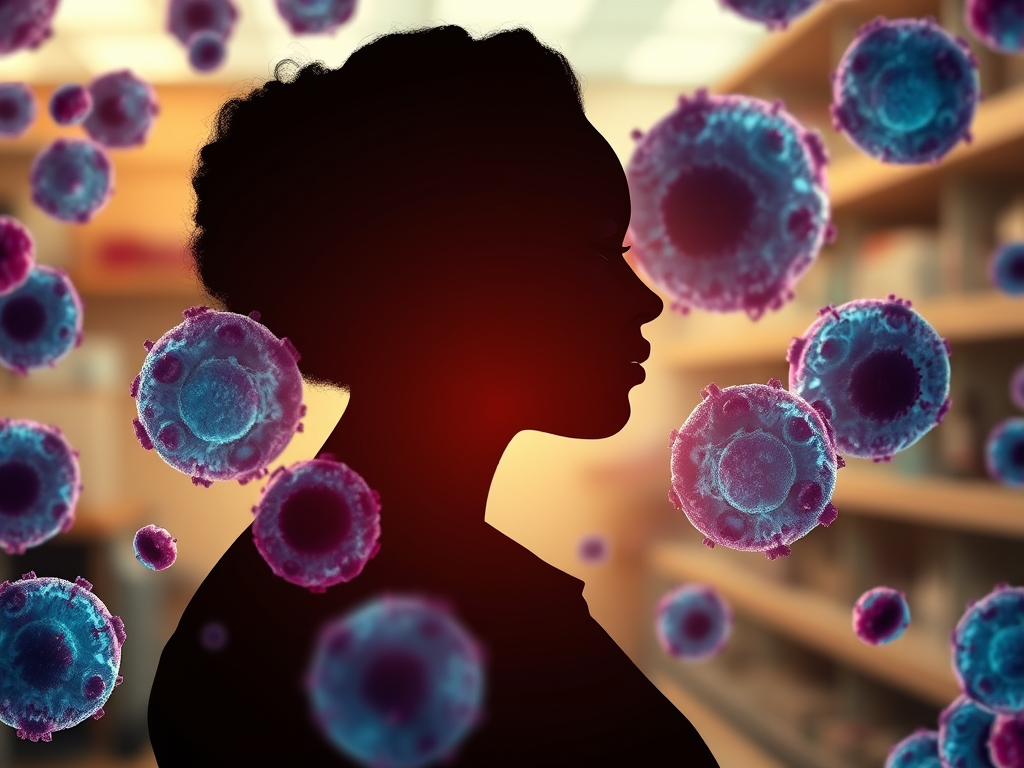
The discovery of HeLa cells marked a pivotal moment in medical science. This event revolutionized research and treatment. It continues to shape healthcare today. The cells themselves were not identified in 1871. Their correct discovery timeline is 1951. Their origin story begins with Henrietta Lacks, an African American woman. Her life and legacy have become central to conversations about ethics, science, and human dignity.
Who was Henrietta Lacks?
Henrietta Lacks was born on the 1st of August, 1920, in Roanoke, Virginia. In January 1951, she went to Johns Hopkins Hospital. It was one of the few medical institutions at the time that treated Black patients. She was seeking care for a painful tumor. Diagnosed with cervical cancer, she underwent treatment but succumbed to the disease on the 4th of October, 1951.
Without her knowledge or consent, doctors took a sample of her cancerous cells during treatment. These cells were later named HeLa. The name comes from the first two letters of her first and last name. They exhibited extraordinary properties. These properties made them invaluable for scientific research.
The Discovery of HeLa Cells
Dr. George Gey, a researcher at Johns Hopkins, discovered that Lacks’s cells were unlike any others previously studied. While most cells died quickly in laboratory conditions, HeLa cells were “immortal.” They could divide indefinitely under the right conditions. This unique characteristic made them a cornerstone of biomedical research.
Why HeLa cells matter
The impact of HeLa cells on science and medicine is immeasurable. They have been instrumental in countless breakthroughs:
- Polio vaccine development: HeLa cells played a crucial role in developing the first polio vaccine in the 1950s.
- Cancer research: They have been used to study cancer, helping researchers understand how the disease develops and spreads.
- Gene mapping: HeLa cells contributed to significant advancements in genetics, including the mapping of the human genome.
- Viral studies: From HIV to COVID-19, HeLa cells have been used to study viruses and develop treatments.
The ethical controversy
While the scientific achievements linked to HeLa cells are undeniable, their discovery raises important ethical questions. Henrietta Lacks never gave consent for her cells to be taken or used in research. Her family was unaware of the cell line’s existence for decades. They did not benefit financially from the multi-billion-dollar industry her cells helped create.
The story of HeLa cells underscores the historical exploitation of marginalized communities in medical research. It has sparked widespread calls for reforms in bioethics, emphasizing the importance of informed consent and equitable treatment.
Henrietta Lacks’s legacy
Today, Henrietta Lacks is recognized as a hero whose unknowing contribution transformed science. In 2010, Rebecca Skloot’s book The Immortal Life of Henrietta Lacks brought her story to global attention. This led to increased recognition of her role in medical history.
- Honoring her memory: In 2010, Johns Hopkins created an annual Henrietta Lacks Memorial Lecture to honor her legacy. In 2021, the World Health Organization awarded her a posthumous accolade for her contributions to medicine.
- Inspiring change: Her story continues to inspire efforts to address inequities in healthcare and research ethics.
A reflection on science and humanity
The discovery of HeLa cells is a testament to the power of scientific discovery. It also highlights the importance of ethical responsibility. Henrietta’s immortal cells have saved millions of lives. Her story reminds people that progress must always be paired with compassion.
And most significantly… consent and justice are equally important.