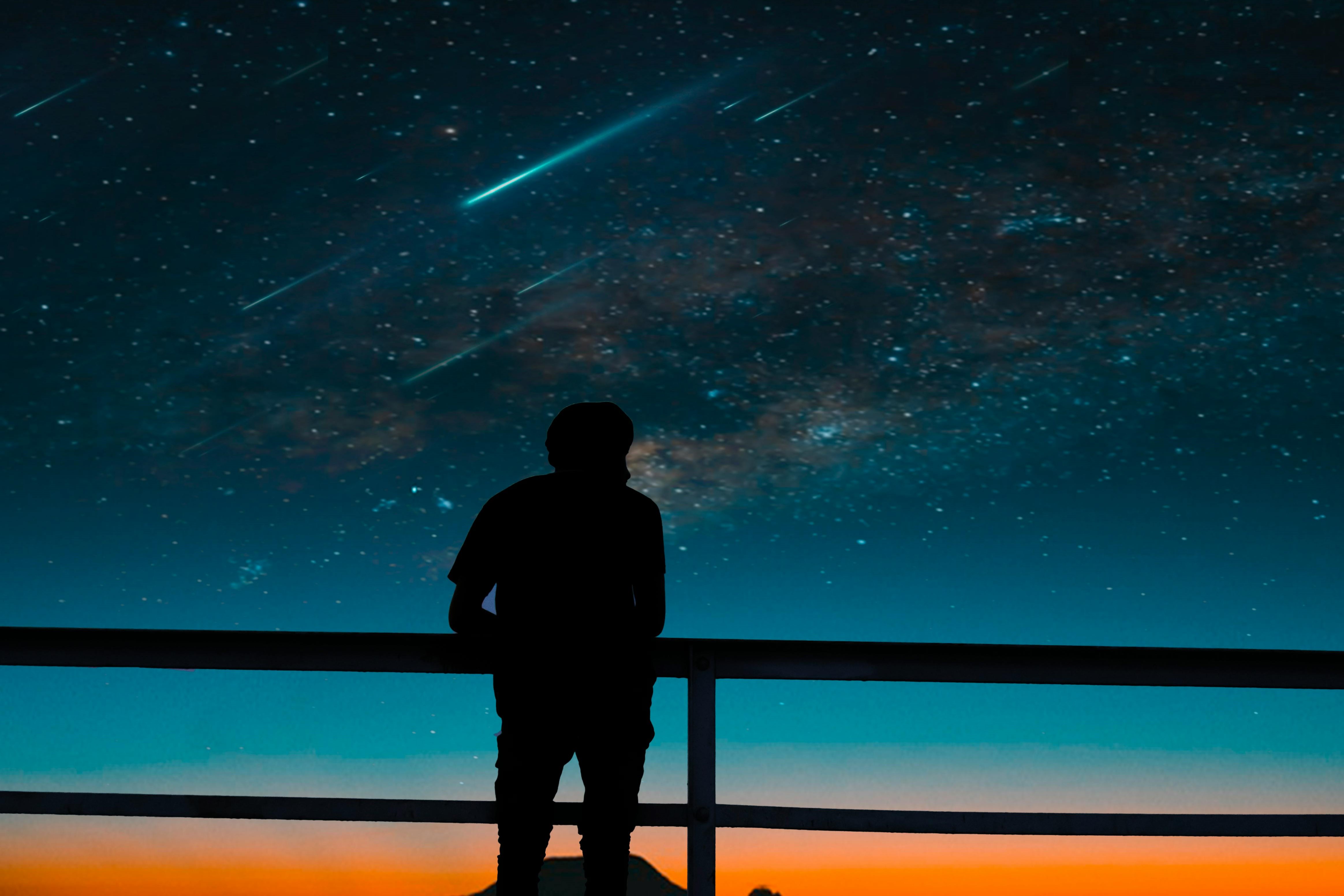
Science Days: 30th of July
Every year, during the warm nights of late July, skywatchers witness the Delta Aquarids meteor shower. This celestial event enchants stargazers with streaks of light darting across the sky. The meteor shower peaks on the nights of the 30th of July. It offers an opportunity to reconnect with the natural wonders of the cosmos.
What are the Delta Aquarids?
The Delta Aquarids are an annual meteor shower caused by debris from Comet 96P/Machholz. The Earth passes through the trail of dust and particles left behind by the comet. These fragments then enter Earth’s atmosphere at incredible speeds. They burn up and create bright streaks of light known as meteors.
The shower gets its name from the constellation Aquarius. Its radiant point is the point in the sky from which the meteors appear to originate. This point is located near the star Delta Aquarii.
What to expect
- Peak activity: The Delta Aquarids are most active around July 28–29. During this time, observers can expect to see 10–20 meteors per hour under ideal conditions.
- Best viewing times: The meteors are most visible after midnight. They are also most visible in the predawn hours when the sky is darkest. The radiant point is highest during these times.
- Meteor characteristics: The meteors from this shower tend to be faint, often leaving long, glowing trails. The shower lacks the intensity of more famous events like the Perseids. However, its quiet beauty makes it a favourite among dedicated stargazers.
Viewing tips
- Find a dark sky: To fully enjoy the meteor shower, head to a location far from city lights. Dark, open areas with minimal light pollution provide the best views.
- Look towards Aquarius: While the meteors can appear anywhere in the sky, focus on the southeastern horizon. This will increase your chances. The area near the constellation Aquarius is the best spot for spotting them.
- Be patient: Meteors can be unpredictable, so give yourself at least an hour to observe the show. Bring a blanket or reclining chair for comfort.
- Avoid using telescopes or binoculars: Your naked eye is the best tool for watching meteors. They often streak across large areas of the sky.
- Check the weather: Clear skies are essential for good viewing. Be sure to check the forecast and plan accordingly.
A Cosmic prelude
The Delta Aquarids meteor shower is often seen as a prelude to the more famous Perseids, which peak in mid-August. However, its relative quietness makes it a perfect event for those who enjoy peaceful stargazing without the crowds.
Connecting with the Cosmos
Meteor showers like the Delta Aquarids are a reminder of the vastness and beauty of the universe. Each streak of light is a small fragment of a comet. It is a messenger from the depths of space. It has travelled millions of miles to grace the skies.
On the nights of the 28th to 30th of July, take a moment to step outside. Look up and marvel at the timeless dance of celestial objects. Whether you spot one meteor or twenty, the experience of connecting with the cosmos is always worth it.