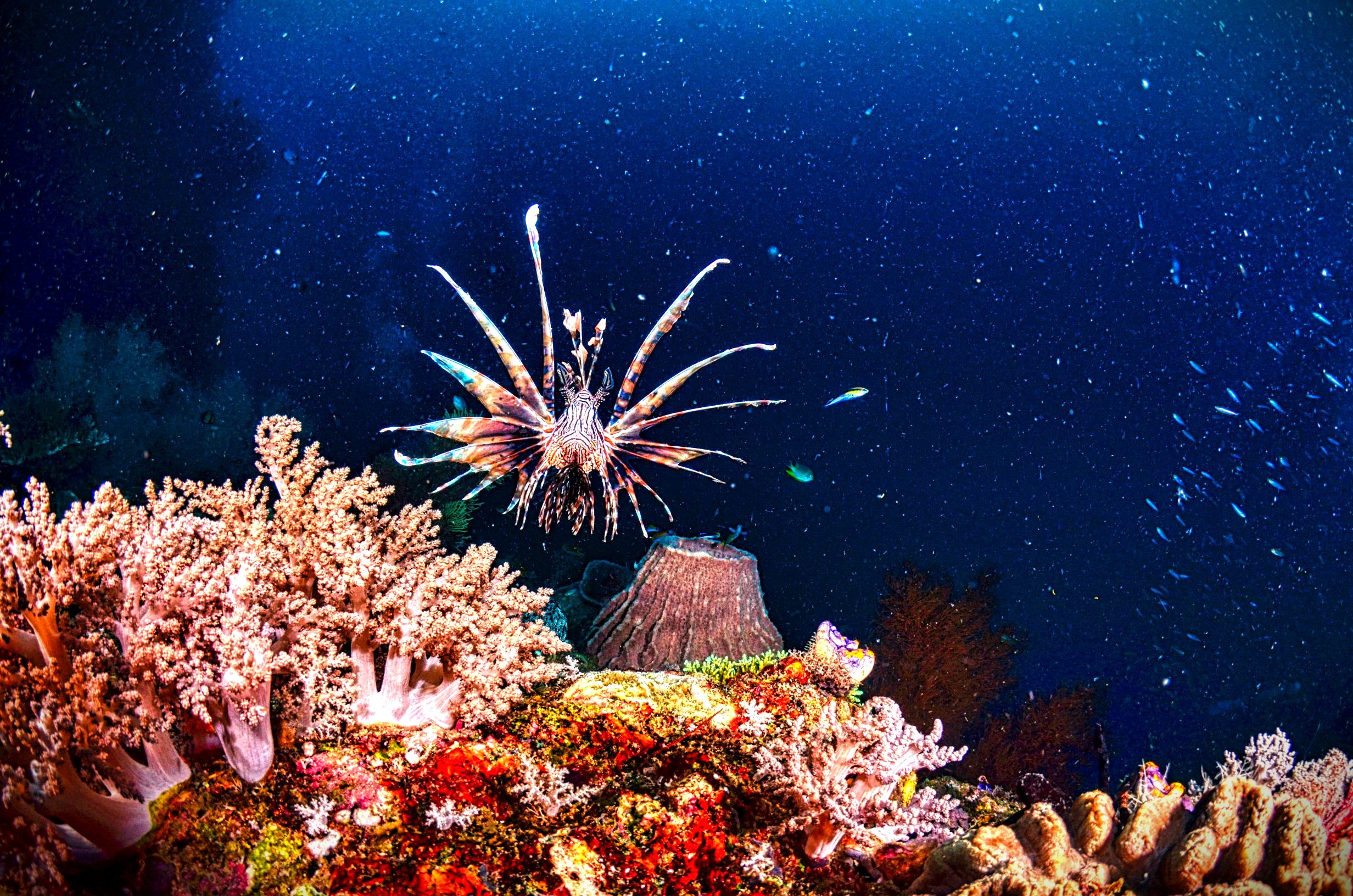
Science Days: 8th of June
The 8th of June is a day dedicated to raising awareness about the vital role oceans play in human lives. The United Nations established this day back in 2008. It encourages individuals, communities, and governments to take action and protect oceans. The goal is to preserve marine ecosystems for future generations.
World Oceans Day 2025: Wonder – Sustaining What Sustains Us
This year’s official United Nations theme, “Wonder: Sustaining What Sustains Us,” is another call for action. It asks everyone to reconnect with the emotional and scientific marvel of the ocean while confronting the very real threats that endanger it.
Why the ocean matters now more than ever
Oceans cover 71% of the Earth’s surface, drive global climate systems, and support a vast web of life. Yet, humans often overlook the silent work they do every day to sustain human existence.
1. Climate regulator
The ocean absorbs approximately 30% of human-produced CO₂ and over 90% of the excess heat caused by global warming. Without it, the planet’s climate would be far more volatile and far less habitable.
2. Oxygen generator
More than half the oxygen humans breathe comes from marine phytoplankton. These microscopic organisms are not only the lungs of the planet; they are the unsung heroes of daily survival.
3. Biodiversity reservoir
The ocean hosts nearly 90% of Earth’s biomass, including coral reefs, deep-sea trenches, and open-ocean ecosystems. Many of these remain unexplored, and countless species are still undiscovered.
4. Economic powerhouse
Fisheries, shipping, and coastal tourism together generate an estimated $2.5 trillion in global economic value each year. Millions of people depend on a healthy ocean for their income and food security.
5. Global protein source
Seafood remains the primary source of protein for more than 3 billion people worldwide. Overfishing and pollution jeopardise this essential pillar of nutrition.
Urgency without alarmism
There is no need for sensationalism to understand the severity of the situation. The data speaks clearly:
- Plastic pollution: Over 12 million metric tons of plastic enter the oceans annually. Microplastics have now been found in sea ice, shellfish, and human blood.
- Overfishing: Roughly 35% of global fish stocks are overexploited. Several species are nearing commercial extinction.
- Climate change: Rising temperatures and ocean acidification are devastating coral reefs and pushing marine species into unfamiliar waters.
- Habitat loss: Mangroves, seagrass beds, and coral reefs are being destroyed by coastal development, pollution, and destructive fishing practices.
- Illegal fishing: Unregulated and illegal fishing removes up to 26 million tons of fish annually. This practice undermines conservation and harms local economies.
What can you do?
We are not powerless. Here are practical, evidence-based actions that individuals and communities can take:
Reduce plastic at the source
Avoid single-use plastics wherever possible. Support legislation and businesses that invest in biodegradable alternatives or closed-loop recycling.
Choose sustainable seafood
Look for certification labels such as MSC (Marine Stewardship Council) or ASC (Aquaculture Stewardship Council). These indicate the seafood was sourced responsibly.
Join local clean-up efforts
Whether it’s a beach, riverbank, or city park, every cleanup effort contributes. Better yet, start your own with friends or students.
Use your voice
Educate others, post about marine issues, and contact policymakers. Use hashtags like #WorldOceansDay and #WonderSustainsUs to amplify science-backed messaging.
Deepen your understanding
Watch documentaries (Blue Planet II, My Octopus Teacher), read current ocean science research, and attend community lectures or webinars.
Ocean facts to inspire wonder
- Earth’s longest mountain range is underwater: the Mid-Atlantic ridge stretches over 65,000 km.
- Over 80% of the ocean remains unexplored.
- The largest animal ever to live, the blue whale, exists right now—but is still endangered.
- Ocean currents transport more heat than the atmosphere, stabilising climate on every continent.
Wonder Is Not Passive
Wonder is not the opposite of action—it is what drives it. World Oceans Day 2025 asks you to look again at what sustains you and recognise that protection begins with perception. When you see the ocean as more than a backdrop, when you understand it as your partner in survival, you move from passive admiration to urgent care.
This June 8, don’t only reflect on the ocean’s role in your life. Commit to sustaining what sustains you.