Lingabites
-
Subject-verb agreement

-
Benefits of online learning

-
2D shapes – rhombus

A rhombus is a four-sided flat shape (also known as a quadrilateral) with four equal-length sides. It is similar to a square, but its opposite angles are not necessarily 90 degrees. In a rhombus, the opposite sides are parallel to each other, and the diagonals (lines that connect opposite corners) bisect (divide into two parts)…
-
Influence of the learning environment
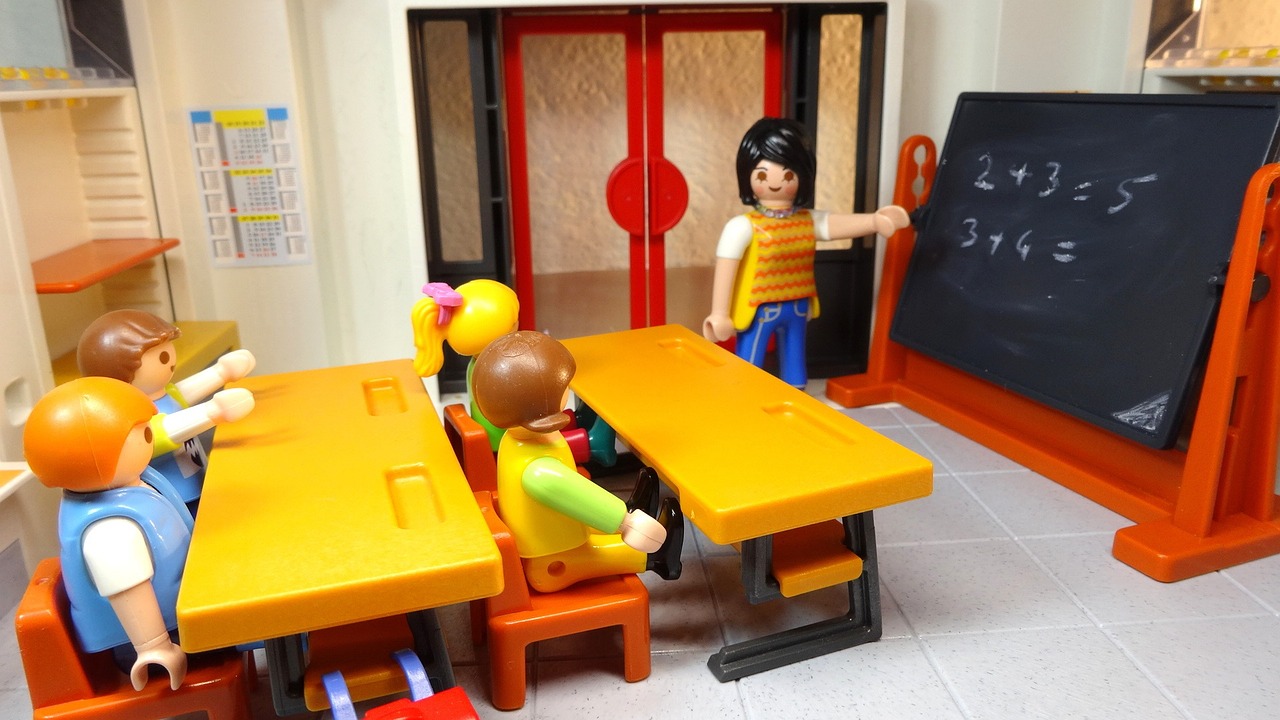
The learning environment refers to the physical, social, and cultural context in which learning takes place. It includes the physical setting, such as the classroom or the home, as well as the social interactions and relationships that occur within it. The learning environment can have a significant influence on the way in which a person…
-
2D shapes – parallelogram
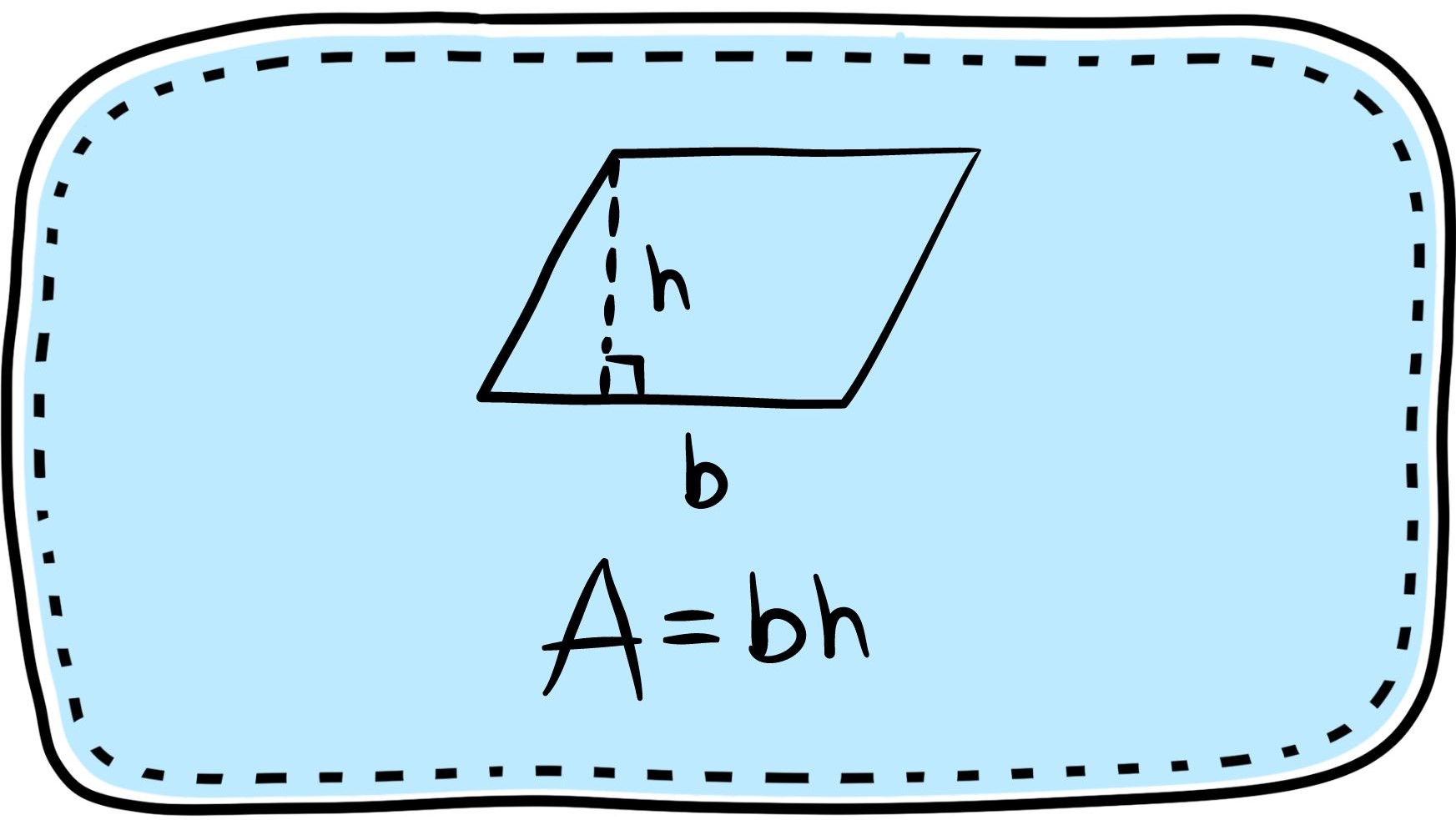
A parallelogram is a quadrilateral (a four-sided polygon) with two pairs of parallel sides. This means that the opposite sides of a parallelogram are equal in length and parallel to each other. The opposite angles of a parallelogram are also equal in measure. Some common properties of parallelograms include: Parallelograms are commonly used in geometry,…
-
The language(s) that you speak shape(s) the way you think

The relationship between language and thought has been a topic of discussion for many years among linguists, psychologists, and philosophers. While it is difficult to establish a direct causal relationship between language and thought, research suggests that language can shape the way we think in a number of ways. One way that language can shape…
-
2D shapes – square
-
2D shapes – rectangle
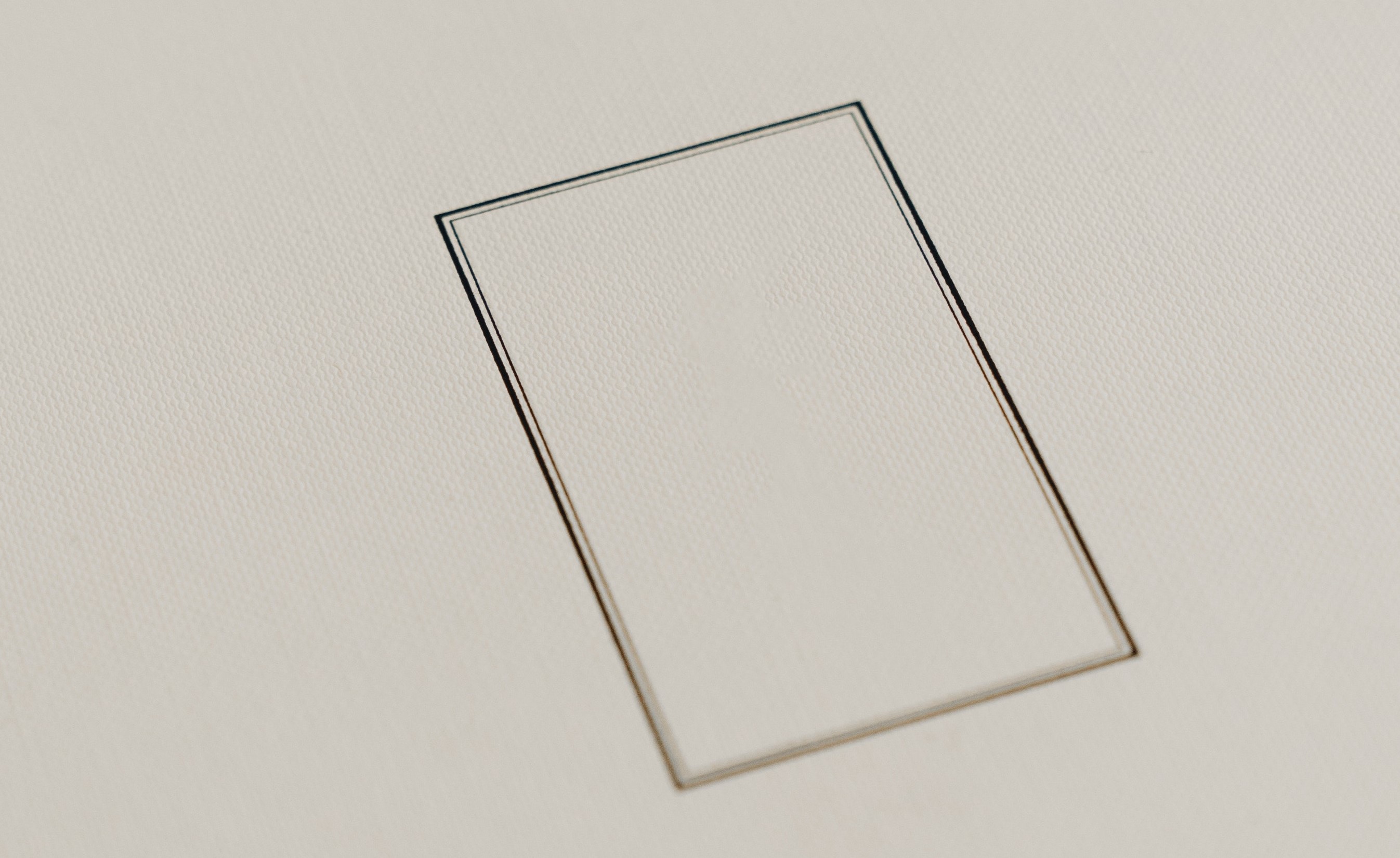
A rectangle is a four-sided plane figure with four right angles (90-degree angles) formed by two pairs of parallel sides of unequal length. The opposite sides of a rectangle are equal in length, and the length of its diagonals are also equal. A rectangle can be seen as a special type of parallelogram where the…
-
2D Shapes – triangles

A triangle is a geometrical shape that is formed by three straight lines or line segments that connect three non-collinear points in a plane. These three points are called vertices of the triangle, and the line segments connecting them are called sides. The triangle is a closed figure, and the region enclosed by the sides…
-
Polygons
A polygon is a two-dimensional geometric shape that is formed by a closed chain of straight line segments. These line segments, called sides, connect to each other at their endpoints, which are known as vertices. The term “polygon” is derived from the Greek words “poly,” meaning “many,” and “gonia,” meaning “angle.” Key Features of Polygons:…