Science Days: 21st-22nd of October
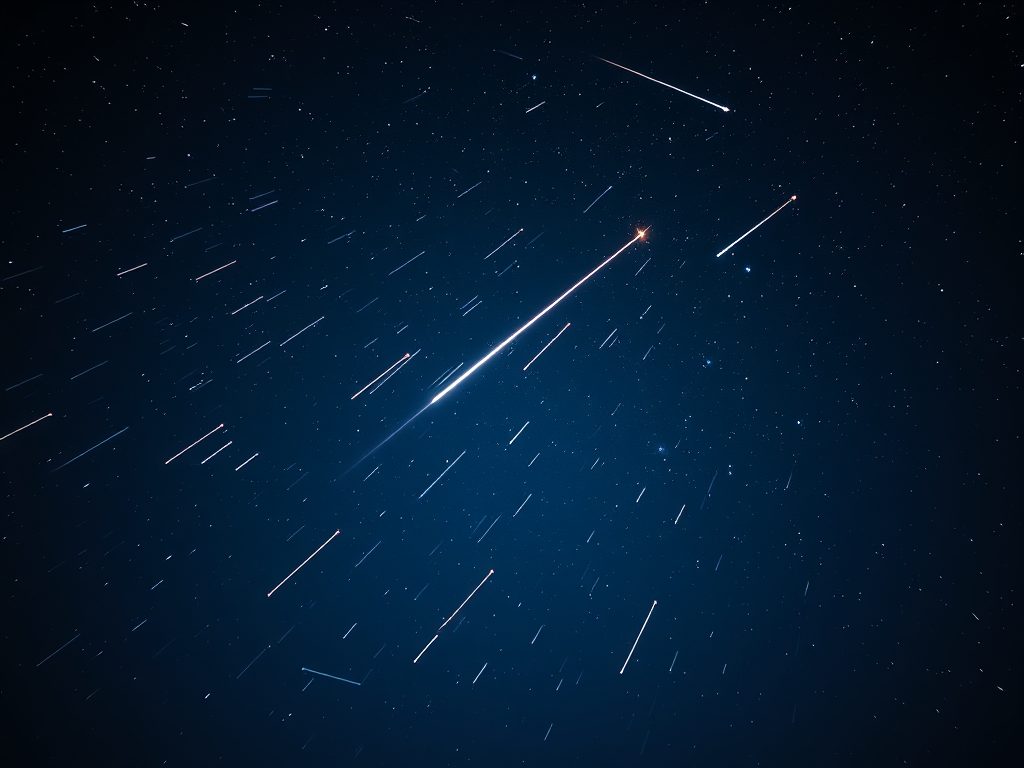
The Orionids meteor shower, one of the most beautiful meteor showers of the year, reaches its peak annually around 21st–22nd of October. Known for its bright and fast-moving meteors, the Orionids originate from the debris of Halley’s Comet, offering sky watchers a dazzling display as Earth passes through the comet’s dust trail.
What are the Orionids?
The Orionids are named after the constellation Orion, from which the meteors appear to radiate. However, the true source of the shower is the debris left behind by Halley’s Comet, one of the most famous comets in history.
- Speed: Orionids are among the fastest meteors, streaking across the sky at speeds of up to 66 kilometres per second.
- Brightness: The meteors are often bright and can leave glowing trails that linger in the sky.
- Frequency: At the peak, skywatchers can expect to see 10–20 meteors per hour under optimal conditions.
When and where to set up the watch
- Peak nights: The shower peaks on the nights of 21st-22nd of October, but meteors can be seen from early October through early November.
- Best viewing time: The best time to watch is after midnight and before dawn, when the radiant in Orion is high in the sky.
- Viewing tips:
- Find a dark location away from city lights.
- Allow your eyes 20–30 minutes to adjust to the darkness.
- Lie back, relax, and look toward the general direction of Orion, but keep your gaze broad to catch meteors across the sky.
Special Orionids
- Connection to Halley’s comet: The Orionids and the Eta Aquarids (which peak in May) are the only two meteor showers originating from Halley’s Comet, linking them to one of the most iconic celestial objects.
- A long history: Observed for centuries, the Orionids have been documented by astronomers and sky watchers, reflecting humanity’s timeless fascination with the heavens.
- Dynamic meteors: The Orionids often produce fireballs, extra-bright meteors that create spectacular bursts of light.
Enjoying the experience
- Check the weather: Clear skies are essential for meteor viewing, so monitor local forecasts.
- Bring essentials: Pack warm clothing, a blanket, or a reclining chair for comfortable viewing.
- Go tech-free: Avoid looking at your phone or any bright screens that can impair your night vision.
The science behind
Meteor showers occur when Earth passes through a trail of debris left by a comet or asteroid. In the case of the Orionids, these tiny particles, often no larger than a grain of sand, burn up upon entering Earth’s atmosphere, creating brilliant streaks of light.
The radiant, the point from which the meteors seem to emerge, lies near Orion’s “club”, close to the bright star Betelgeuse. However, meteors can appear anywhere in the sky, so a wide view is ideal.
Orionids – fun facts
- Halley’s legacy: Halley’s Comet itself won’t return to Earth’s vicinity until 2061, but its debris puts on a show every year.
- Dual showers: Both the Orionids and Eta Aquarids come from the same comet, showcasing its far-reaching influence.
- A Personal touch: No equipment is needed, just your eyes and a sense of wonder!
A celestial connection
The Orionids meteor shower is a beautiful reminder of Earth’s connection to the cosmos. Each streak of light is a fragment of a comet that has travelled across the solar system, offering a moment of awe and inspiration.
This 21st–22nd of October, take a break from your daily routine, step outside, and look up. Witness the fleeting brilliance of the Orionids and marvel at the timeless beauty of the universe.