Science days: February 28th
On February 28, 1953, James Watson and Francis Crick made a groundbreaking announcement. This would forever change the course of biology and medicine. They discovered the double helix structure of DNA. This moment marked a milestone in human understanding of genetics and how life operates at its most fundamental level.
Behind the Discovery
Watson and Crick’s discovery was the culmination of a scientific race. They sought to unravel the molecular structure of deoxyribonucleic acid (DNA). This molecule is responsible for carrying genetic information in living organisms. The duo worked at the Cavendish Laboratory in Cambridge, England. They combined their knowledge of chemistry, biology, and physics. Through this integration, they created a model that explained DNA’s structure and function.
Their success was built upon key insights from other researchers, including:
- Rosalind Franklin: Her X-ray diffraction images of DNA, particularly the famous “Photo 51,” provided crucial evidence for the helical shape.
- Maurice Wilkins: Franklin’s colleague, who shared her data with Watson and Crick without her direct knowledge.
- Erwin Chargaff: His rules revealed that DNA’s four bases (adenine, thymine, cytosine, and guanine) pair in specific ratios. Adenine pairs with thymine. Cytosine pairs with guanine.

On February 28, 1953, Watson and Crick famously declared in a Cambridge pub, “We have found the secret of life!” They published their findings in the journal Nature on April 25, 1953.
Double Helix?
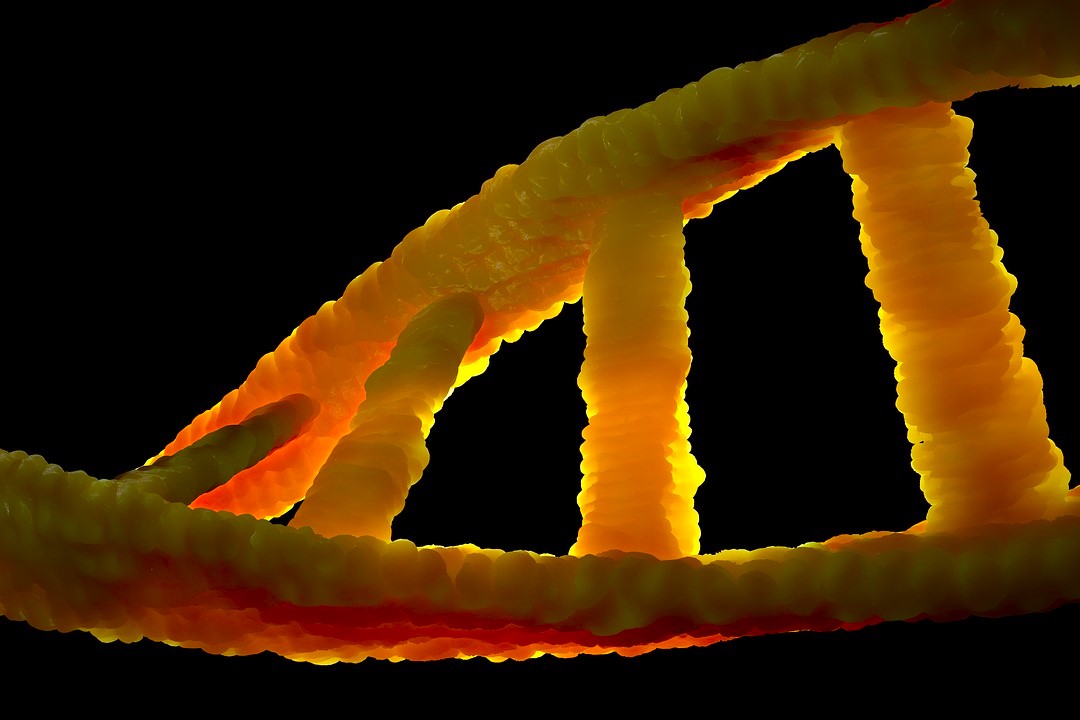
The double helix is a structure resembling a twisted ladder. It is composed of:
- Sugar-Phosphate Backbone: The sides of the ladder, made of alternating sugar (deoxyribose) and phosphate groups.
- Base Pairs: The rungs of the ladder are formed by pairs of nitrogenous bases. These bases are A-T and C-G. They are held together by hydrogen bonds.
This elegant structure explained how DNA can replicate itself. It also demonstrated how DNA can store vast amounts of genetic information. This provides the blueprint for all living organisms.
Revolutionizing Impact
The discovery of DNA’s structure revolutionized science and medicine. Key advancements include:
- Genetic Research: Understanding DNA has enabled scientists to study genes, heredity, and genetic disorders.
- Biotechnology: Techniques like genetic engineering and CRISPR have transformed agriculture, medicine, and industry.
- Forensics: DNA fingerprinting has become a vital tool in solving crimes and identifying individuals.
- Medicine: Insights into DNA have paved the way for personalized medicine, gene therapy, and cancer research.
Controversies and Legacy
Watson and Crick received the Nobel Prize in Physiology or Medicine in 1962 alongside Maurice Wilkins. Rosalind Franklin‘s contributions were largely overlooked during her lifetime. Today, Franklin is recognized as a pivotal figure in the discovery. Her work highlights the importance of collaboration in science. It also emphasizes ethical considerations.
Celebrating February 28
Each year, February 28 offers an opportunity to celebrate this monumental discovery. It lets you think about how understanding DNA continues to shape our lives. Here are a few ways to honour the occasion:
- Explore DNA’s Wonders: Read books or watch documentaries about the discovery of DNA and its impact.
- Learn About Genetics: Dive into the basics of genetics and how DNA influences traits, health, and evolution.
- Support STEM Education: Encourage young scientists to pursue careers in genetics and biotechnology.
- Honor Rosalind Franklin: Share her story to guarantee her contributions are remembered and appreciated.
A Gateway to the Future
The discovery of DNA’s double helix was more than a scientific achievement; it was a gateway to understanding life itself. As humanity continue to uncover the mysteries of genetics, the legacy of February 28, 1953, serves as a reminder. It highlights the power of curiosity, collaboration, and discovery.